
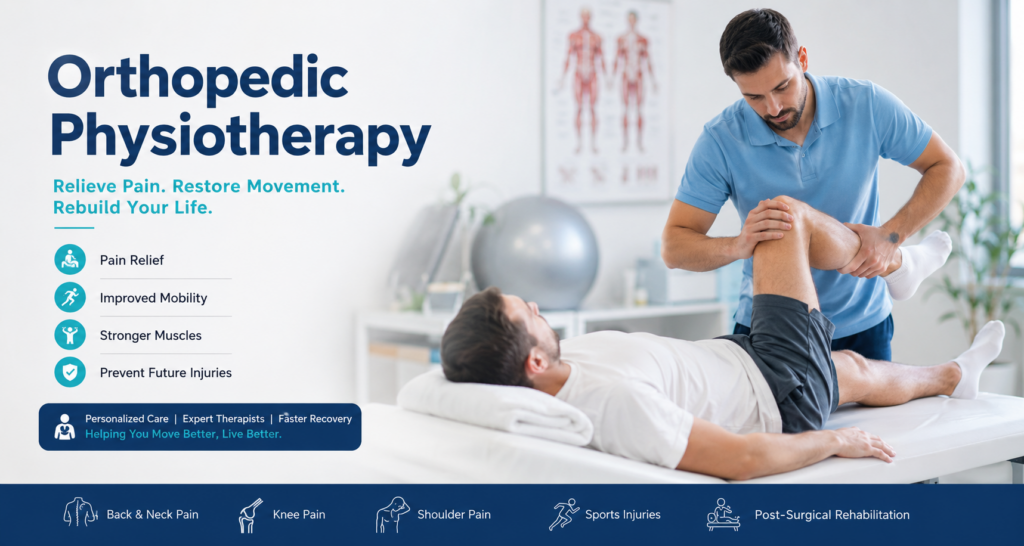
Sri Sai Priya Physiotherapy and Rehabilitation Care in Ghatkesar
Pain in your muscles, joints, or bones can make even the simplest daily tasks feel challenging. Whether it’s climbing stairs, sitting at your desk, walking comfortably, or enjoying your favorite activities, musculoskeletal pain can limit your independence and affect your overall well-being.
Orthopedic physiotherapy is designed to treat these conditions through personalized, non-surgical rehabilitation techniques. Instead of only relieving symptoms temporarily, this specialized form of physiotherapy addresses the root cause of your pain, helping restore mobility, improve strength, and prevent future injuries.
No matter if you’re recovering from surgery, healing after an injury, or managing a chronic orthopedic condition, orthopedic physiotherapy provides a safe and evidence-based path toward long-term recovery.
What Is Orthopedic Physiotherapy?
Orthopedic physiotherapy is a specialized area of physical rehabilitation focused on diagnosing, treating, and preventing disorders affecting the body’s musculoskeletal system. This includes the muscles, joints, ligaments, tendons, bones, and spine that work together to support movement and stability.
Treatment plans are tailored to each individual’s condition, ensuring that therapy targets the underlying cause rather than simply masking discomfort. By combining hands-on techniques, therapeutic exercises, posture correction, and patient education, orthopedic physiotherapy helps individuals recover naturally and regain confidence in their movement.
Conditions Commonly Managed Through Orthopedic Physiotherapy
Orthopedic physiotherapists help patients recover from a wide variety of musculoskeletal problems, including:
Lower Back Pain
Persistent lower back pain can result from poor posture, muscle weakness, spinal conditions, or repetitive strain. A structured physiotherapy program strengthens the supporting muscles, improves flexibility, and reduces recurring pain.
Neck and Cervical Pain
Long hours at a computer, improper sleeping positions, and stress often contribute to neck stiffness and discomfort. Orthopedic rehabilitation focuses on improving posture, restoring mobility, and relieving muscle tension.
Knee Disorders
Whether caused by arthritis, ligament injuries, cartilage damage, or overuse, knee pain often responds well to personalized rehabilitation programs that improve joint stability and muscle strength.
Shoulder Conditions
Problems such as frozen shoulder, rotator cuff injuries, shoulder impingement, and tendon inflammation can significantly restrict arm movement. Targeted physiotherapy helps restore flexibility while reducing pain and stiffness.
Sports-Related Injuries
Athletes and active individuals frequently experience sprains, strains, tendon injuries, and joint instability. Orthopedic physiotherapy promotes faster healing while preparing the body for a safe return to sports activities.
Arthritis and Joint Degeneration
People living with arthritis often experience pain, stiffness, and reduced mobility. Physiotherapy helps maintain joint function, improve flexibility, and support a more active lifestyle.
Rehabilitation After Fractures
Following bone healing, patients may experience weakness, stiffness, and limited movement. Rehabilitation focuses on rebuilding strength, restoring mobility, and improving overall function.
Recovery After Orthopedic Surgery
Individuals recovering from procedures such as knee replacement, hip replacement, ligament reconstruction, or spinal surgery benefit from structured rehabilitation programs that encourage safe and effective recovery.
Signs That You May Benefit from Orthopedic Physiotherapy
Consider consulting an orthopedic physiotherapist if you experience:
- Ongoing pain in muscles or joints
- Difficulty performing routine activities
- Stiffness that limits movement
- Reduced flexibility
- Muscle weakness
- Joint swelling
- Frequent sports injuries
- Slow recovery after surgery
- Pain that returns repeatedly
- Problems with walking or balance
Seeking treatment early often improves recovery outcomes and helps prevent long-term complications.
What to Expect During Orthopedic Physiotherapy
Every rehabilitation journey begins with a detailed physical assessment. Your physiotherapist evaluates movement patterns, posture, joint mobility, muscle strength, flexibility, balance, and overall function before designing a treatment plan.
Based on the assessment, your rehabilitation program may include manual therapy, guided exercises, posture correction, flexibility training, balance exercises, pain-relief techniques, and functional movement training.
As recovery progresses, exercises are gradually adjusted to match your improving strength and mobility, ensuring continuous progress while minimizing the risk of reinjury.
Benefits of Orthopedic Physiotherapy
Orthopedic physiotherapy offers numerous long-term advantages, including:
- Natural pain relief without unnecessary medication
- Improved flexibility and joint mobility
- Better muscle strength and endurance
- Faster recovery following injuries or surgery
- Reduced risk of recurring injuries
- Enhanced posture and body mechanics
- Improved balance and coordination
- Greater independence in daily activities
- Increased physical confidence
- Better overall quality of life
The Importance of Early Rehabilitation
Ignoring orthopedic pain may allow minor problems to develop into chronic conditions. Beginning physiotherapy soon after symptoms appear can reduce inflammation, prevent stiffness, restore movement more quickly, and shorten overall recovery time.
Early intervention also helps patients avoid unnecessary complications while maintaining an active lifestyle.
Personalized Care for Every Patient
Every individual experiences pain differently. Factors such as age, occupation, activity level, medical history, and personal goals all influence recovery.
Orthopedic physiotherapists develop customized rehabilitation plans that evolve throughout the healing process, ensuring patients receive the most appropriate care at every stage of recovery.
Healthy Habits for Strong Bones, Muscles, and Joints
Maintaining good musculoskeletal health involves more than treating injuries. Healthy daily habits play an important role in preventing orthopedic conditions.
Simple lifestyle practices include regular physical activity, maintaining a healthy weight, practicing correct posture, stretching consistently, lifting objects safely, wearing supportive footwear, staying hydrated, and following a balanced diet rich in essential nutrients.
These habits help protect your joints, improve muscle function, and reduce the likelihood of future injuries.
When Should You Visit an Orthopedic Physiotherapist?
Professional assessment is recommended if your pain continues for several days, limits normal movement, interferes with work or daily activities, causes difficulty sleeping, or develops after an injury or surgical procedure.
Receiving timely treatment often leads to faster recovery, better mobility, and improved long-term health outcomes.
Final Thoughts
Orthopedic physiotherapy plays a vital role in helping individuals overcome pain, recover from injuries, and restore normal movement. Through personalized rehabilitation programs, evidence-based treatment techniques, and ongoing guidance, patients can regain strength, improve flexibility, and return to the activities they enjoy with greater confidence.Rather than focusing solely on symptom relief, orthopedic physiotherapy promotes lasting recovery by addressing the underlying causes of pain and movement dysfunction. With the right treatment plan and commitment to rehabilitation, achieving a healthier, stronger, and more active life is entirely possible.